Iran Blames US: Stunning Hormuz Talks Continue


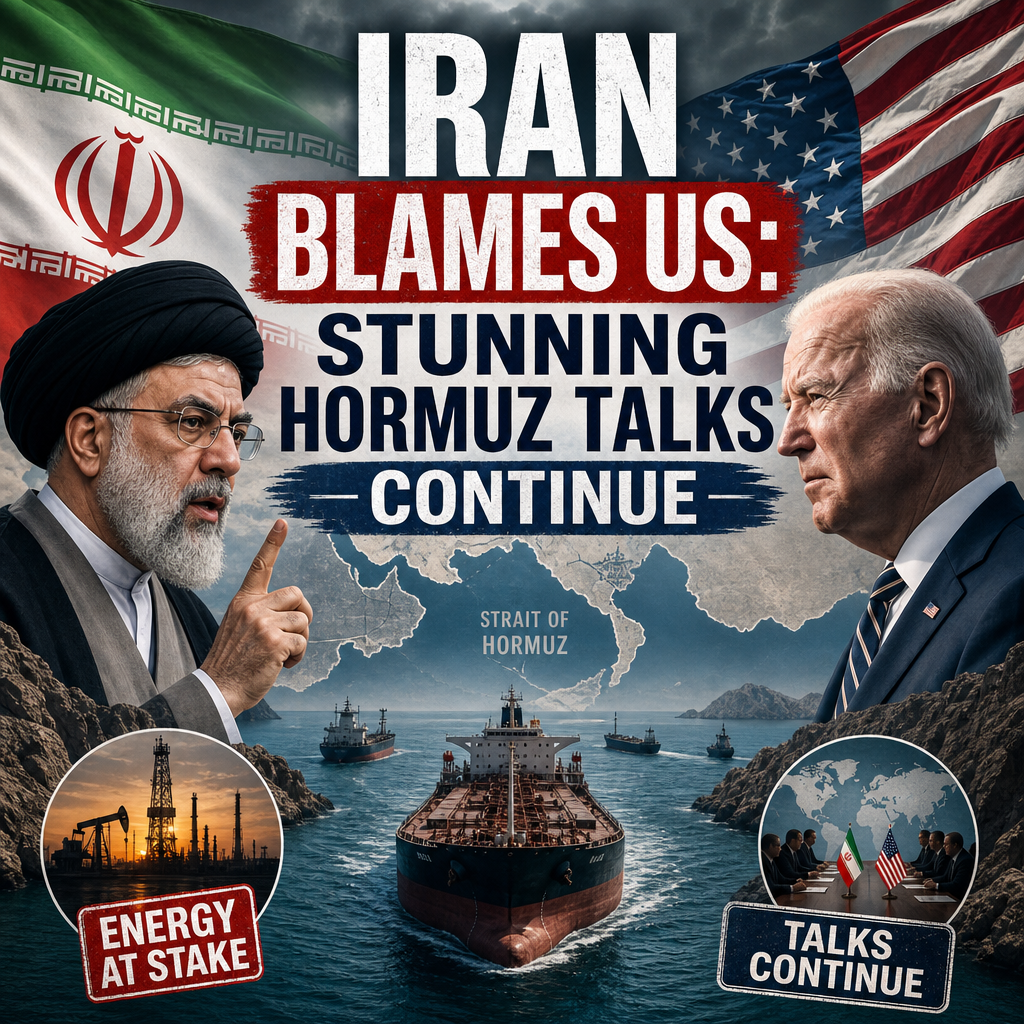
Hormuz talks have become the latest reminder that the Strait of Hormuz is more than a shipping lane; it is a pressure point where diplomacy, military posture, and energy security collide.
Iran’s latest claim that the United States is responsible for the dispute underscores how quickly tensions around the waterway can widen beyond the immediate legal or maritime issue at hand. Yet the fact that both sides are still talking suggests something else too: neither Tehran nor Washington appears ready to let the standoff spiral into a direct confrontation. That combination of blame and dialogue is familiar in Gulf politics, but it remains significant because even a small disruption in Hormuz can affect global oil prices, shipping insurance, and broader regional stability.



Hormuz talks and the politics of blame
From Iran’s perspective, accusing the US is a way to frame the dispute as a response to outside pressure rather than a unilateral challenge. Tehran has long argued that Western sanctions, military presence, and diplomatic isolation are part of a wider campaign to contain it. That message plays well domestically and among allies who see the Strait of Hormuz as an arena where sovereignty and deterrence matter as much as trade routes.
The US side, by contrast, tends to present the issue as one of freedom of navigation and regional security. Washington and its allies usually argue that the waters must remain open to international traffic and that any threats to commercial shipping are unacceptable. This framing turns the dispute into a broader test of order in one of the world’s most strategically important chokepoints.




What makes the current moment notable is that the rhetoric has not stopped the diplomatic channel from staying open. That matters because in past crises involving Iran, even minimal communication has sometimes helped prevent miscalculation. With forces and commercial vessels operating in a heavily militarized environment, the margin for error is thin.
Why the Strait of Hormuz still matters so much
The Strait of Hormuz is narrow, but its importance is enormous. A substantial share of the world’s seaborne oil passes through it, along with liquefied natural gas and other cargoes tied to the Gulf economy. Any threat there is immediately felt far beyond the region.
That is why analysts and governments alike treat every flare-up with caution. Even when no ships are attacked and no blockade is announced, the mere possibility of escalation can move markets. Energy traders, shipping companies, and insurers all react quickly when headlines point to risk in the waterway.
A useful way to think about the current dispute is as a three-level problem:
– Security level: naval presence, escort operations, and the risk of accidents or interceptions
– Diplomatic level: negotiations, accusations, and attempts to shape international opinion
– Economic level: oil prices, transport costs, and market confidence
These layers interact constantly. A tense statement can affect prices even if the military situation is unchanged. Likewise, a quiet diplomatic opening can calm fears without resolving the underlying disagreement.
Different reporting angles, one shared concern
Coverage from international outlets tends to reflect different emphases. Some reporting focuses on Iranian anger and the country’s efforts to push back against US pressure. Other coverage highlights the risk to global shipping and the need to keep the sea lane open. A third angle often centers on whether ongoing talks are genuine diplomacy or simply a tactical pause.
That contrast is important, because it shows there is no single clean narrative here. Iran’s complaints about US policy are not invented out of thin air; they are rooted in years of sanctions, stalled negotiations, and regional confrontation. At the same time, worries about Iranian pressure tactics in the Gulf are also real, especially for countries whose economies depend on uninterrupted maritime trade.
In practical terms, all sides have reasons to avoid a full crisis:
– Iran wants leverage without triggering overwhelming retaliation
– The US wants deterrence without becoming trapped in a wider conflict
– Regional states want stability and predictability for trade and investment
– Energy markets want reassurance that supply will not be interrupted
That shared interest in restraint does not eliminate risk, but it does explain why talks can continue even while accusations fly.
A cautious outlook
The most responsible conclusion is that the situation remains unsettled. There is no clear sign, based on the current reporting landscape, that either side has resolved the underlying disagreements. Nor is there evidence of a breakthrough that would remove the strategic sensitivity of Hormuz any time soon.
What we can say with confidence is that the dispute is bigger than a single incident. It reflects a long-running struggle over influence, sanctions, maritime control, and regional power. As long as those issues remain unresolved, the Strait of Hormuz will remain a flashpoint where diplomacy and brinkmanship coexist.
For now, the fact that talks are continuing is encouraging, but only in a limited sense. It lowers the chance of immediate escalation. It does not erase the deeper mistrust that keeps the region on edge. And in a place as strategically important as Hormuz, that distinction matters a great deal.